The belt ranking system at YU Taekwondo is far more than a simple classification based on skill. It is an educational masterpiece that links physical development with mental maturity. To understand the hierarchy of colors, one must look beyond pure athletic performance.
The deeper meaning of the hierarchy
In Taekwondo, graduation symbolizes the personal maturation process. While Western sports often focus solely on victory, the focus here is on the "Do"—the way or the path. Each new belt is a milestone on a lifelong journey toward self-perfection.
The duality of Kup and Dan
The system divides a martial artist's journey into two worlds:
The student phase (Kup): Here, the focus is primarily on acquiring knowledge. The student is a seeker who learns techniques, strengthens their body, and internalizes rules of conduct (etiquette). It is a phase of growth, characterized by curiosity and the construction of a solid foundation.
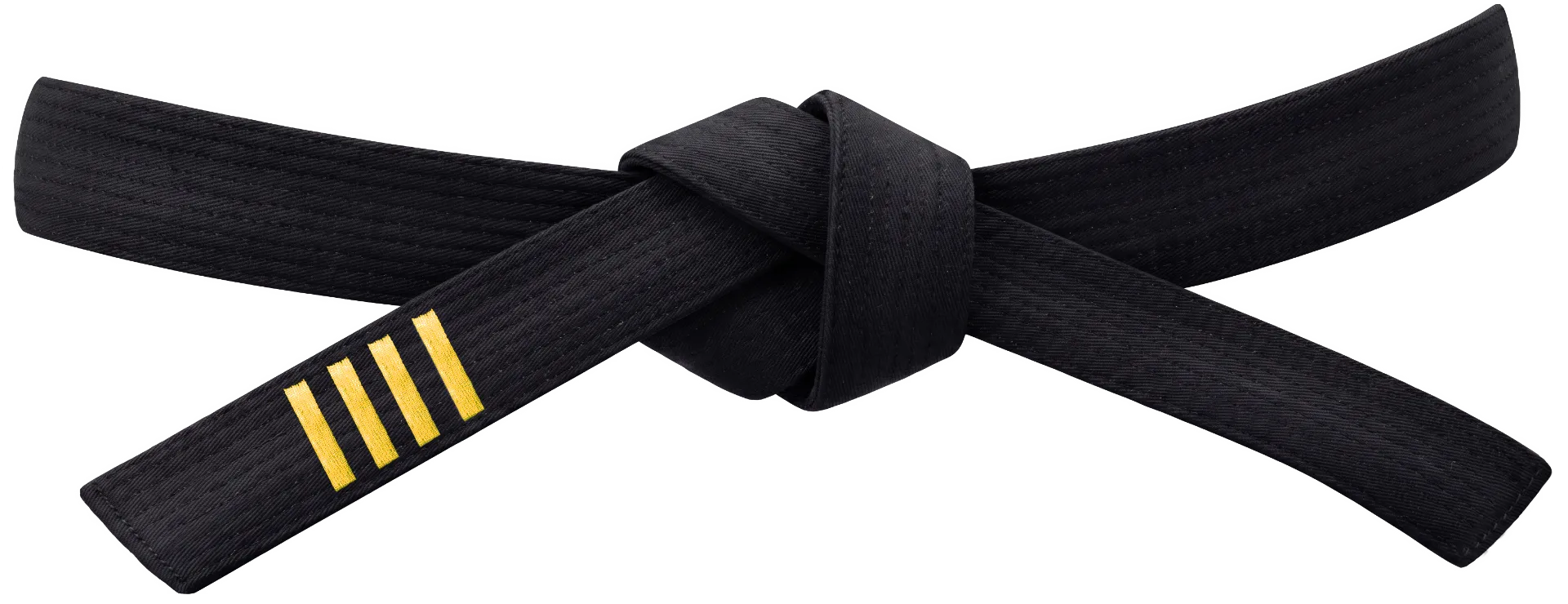
The mastery (Dan): With the attainment of the black belt, the perspective shifts. The holder of a Dan rank transitions from "learner" to "knower," now bearing the responsibility to preserve and pass on the art. Interestingly, in the Korean understanding, reaching the 1st Dan does not mean the end of training, but rather the moment when the student has mastered the basics sufficiently to truly begin the study of the martial art.
Requirements: More than just kicks and punches
To reach a new rank, a Taekwondoin generally must master four pillars of training.
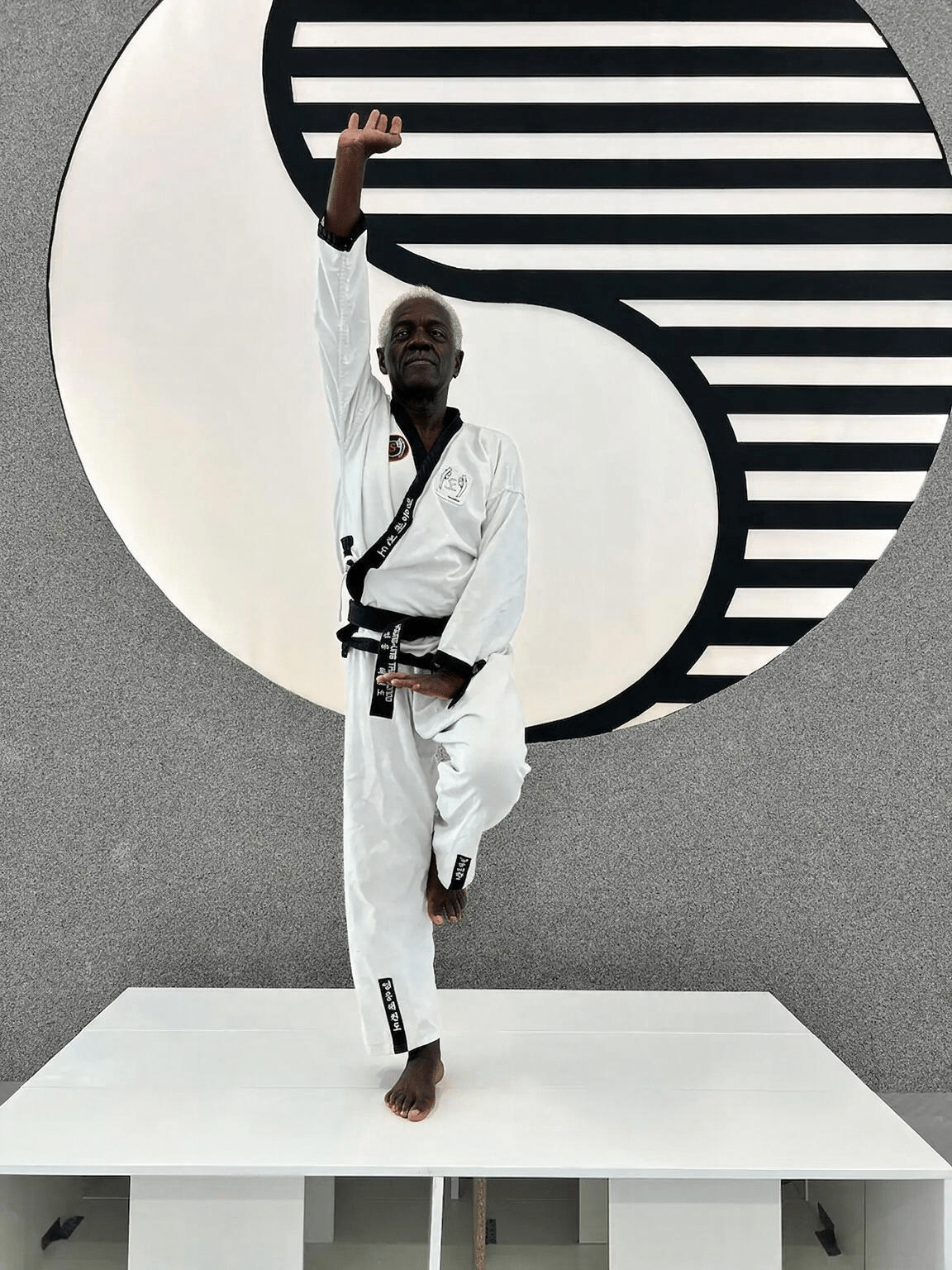
Poomsae or Tul (Forms): A choreographed fight against imaginary opponents. Here, precision, balance, and breathing techniques are evaluated.
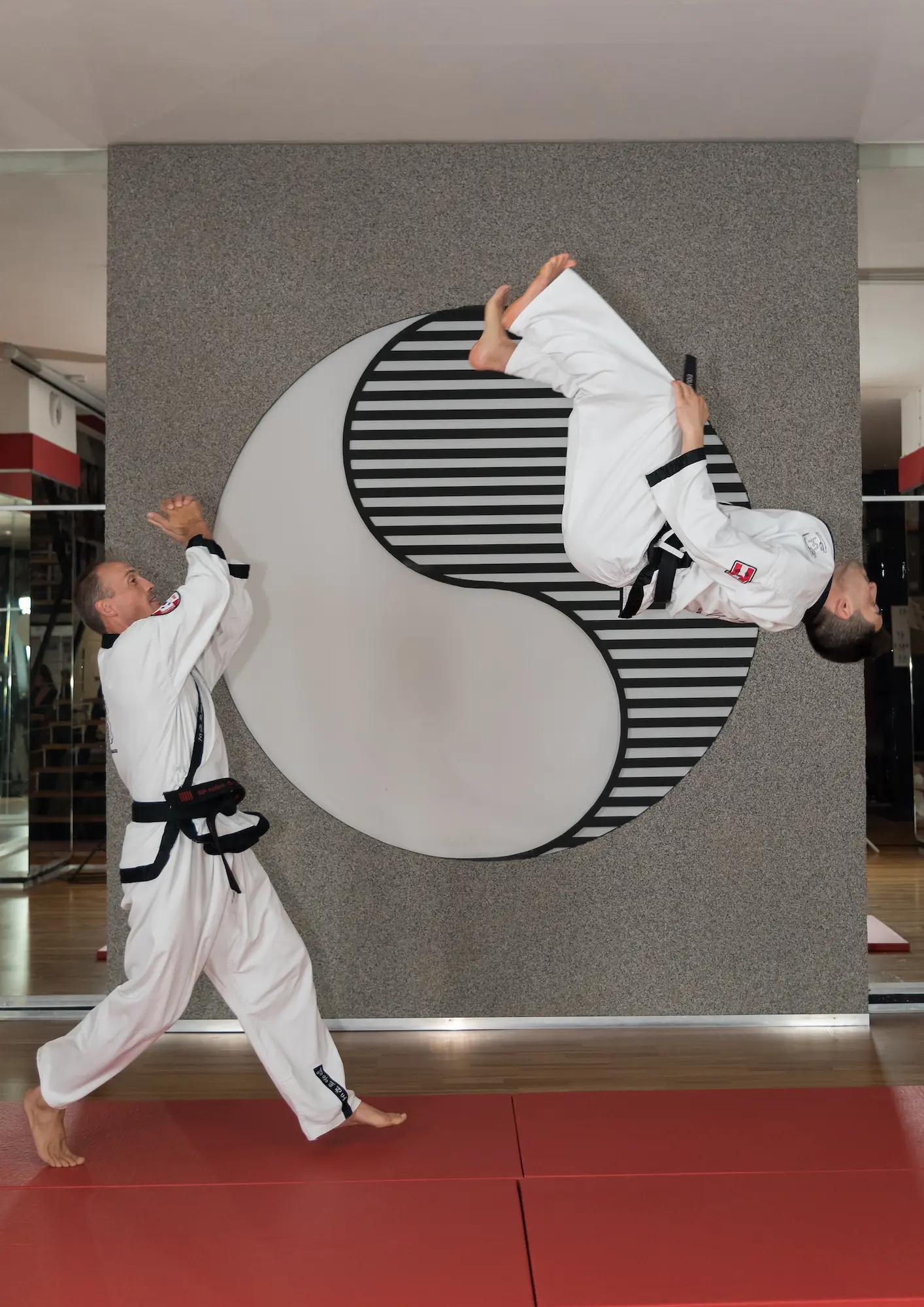
Hosinsul (Self-defense): The application of techniques in realistic scenarios, often against grabs or attacks with weapons.
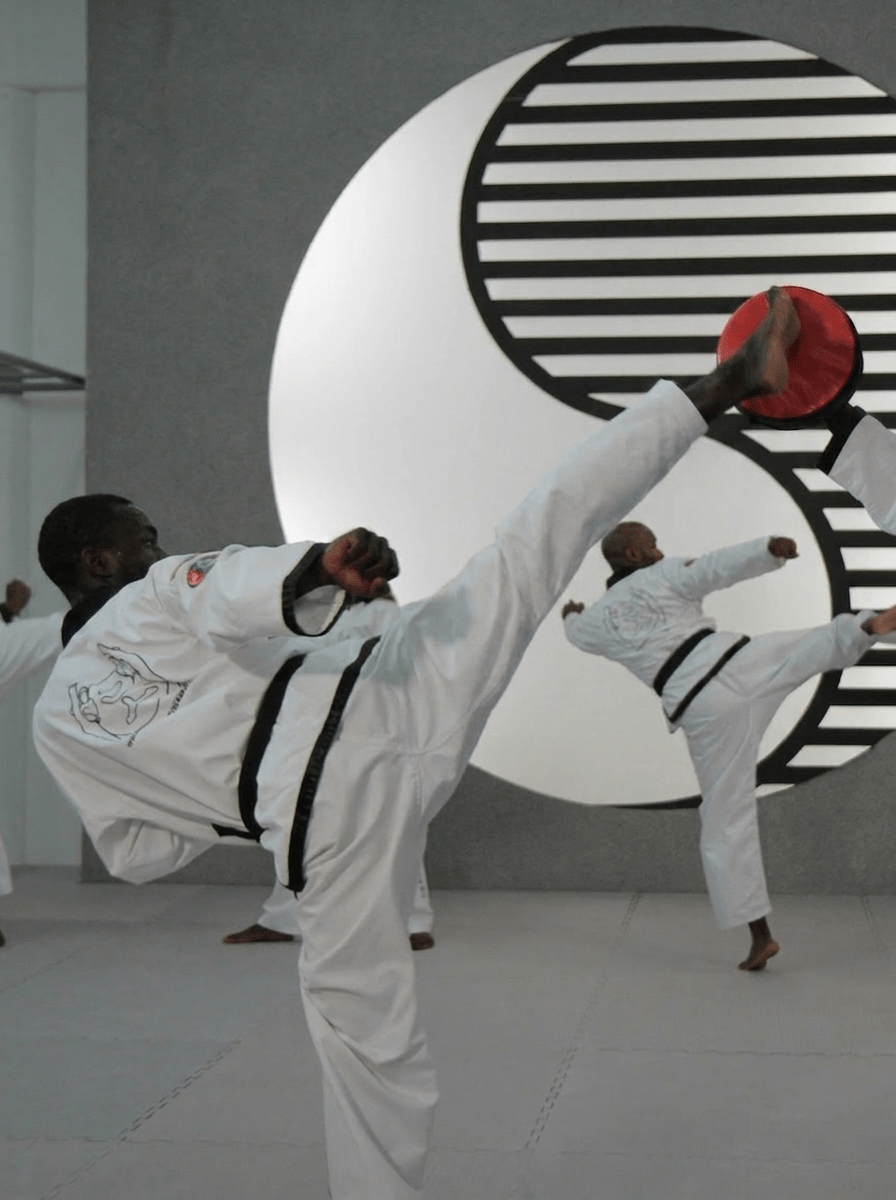
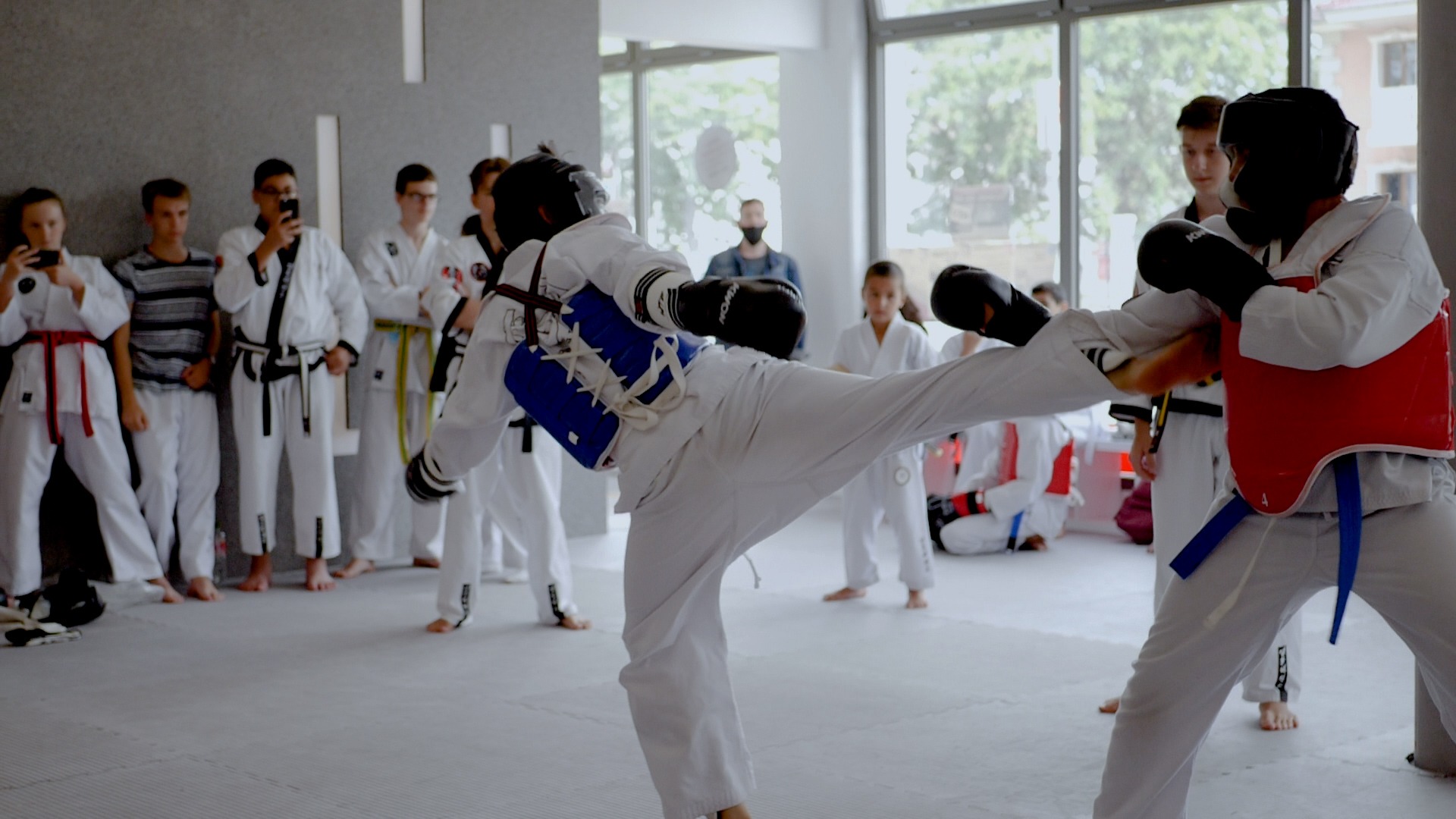
Kyorugi (Sparring): Athletic competition where distance management, speed, and tactical understanding take center stage.
Kyokpa (Breaking): The demonstration of precision and mental power by breaking wooden boards or other materials.
Important: The higher the rank, the more significant the theoretical examination becomes. Knowledge of the history of Taekwondo, the meaning of Korean terminology, and the philosophical background are essential for advanced ranks.
Regional differences and associations
It is important to understand that Taekwondo is organized worldwide into different associations, which impacts the grading system. The two largest streams are: World Taekwondo (WT), known for its Olympic style, and the International Taekwon-Do Federation (ITF), a style often considered more traditional, emphasizing power generation and the original techniques of the founder, General Choi Hong-hi. Although the colors and the number of Kup ranks may differ slightly between these associations, the core philosophy—the journey from "white" (innocence) to "black" (mastery)—remains identical everywhere.
The educational component: Why the system works
The graduation system is a psychological anchor. In a world where we are often conditioned for instant gratification, the Taekwondo system teaches patience. Months—and for higher Dan ranks, even years—of hard training lie between examinations. This process fosters:
Resilience: One learns to deal with setbacks and training plateaus.
Respect: Bowing to those of higher rank (seniors) fosters a culture of appreciation.
Self-discipline: The belt is a visible sign of the time and energy one has invested in oneself.
Conclusion: A belt does more than hold up your pants
In summary, the belt ranks in Taekwondo are the outer form of an inner transformation. A black belt is merely a white belt who never gave up. Anyone who goes through this system develops not only a fit body but also an alert mind and a strong character.
Whether you are at the beginning of your 10th Kup or striving for the perfection of a high Dan: every knot in your belt reminds you that the journey is the true destination.